
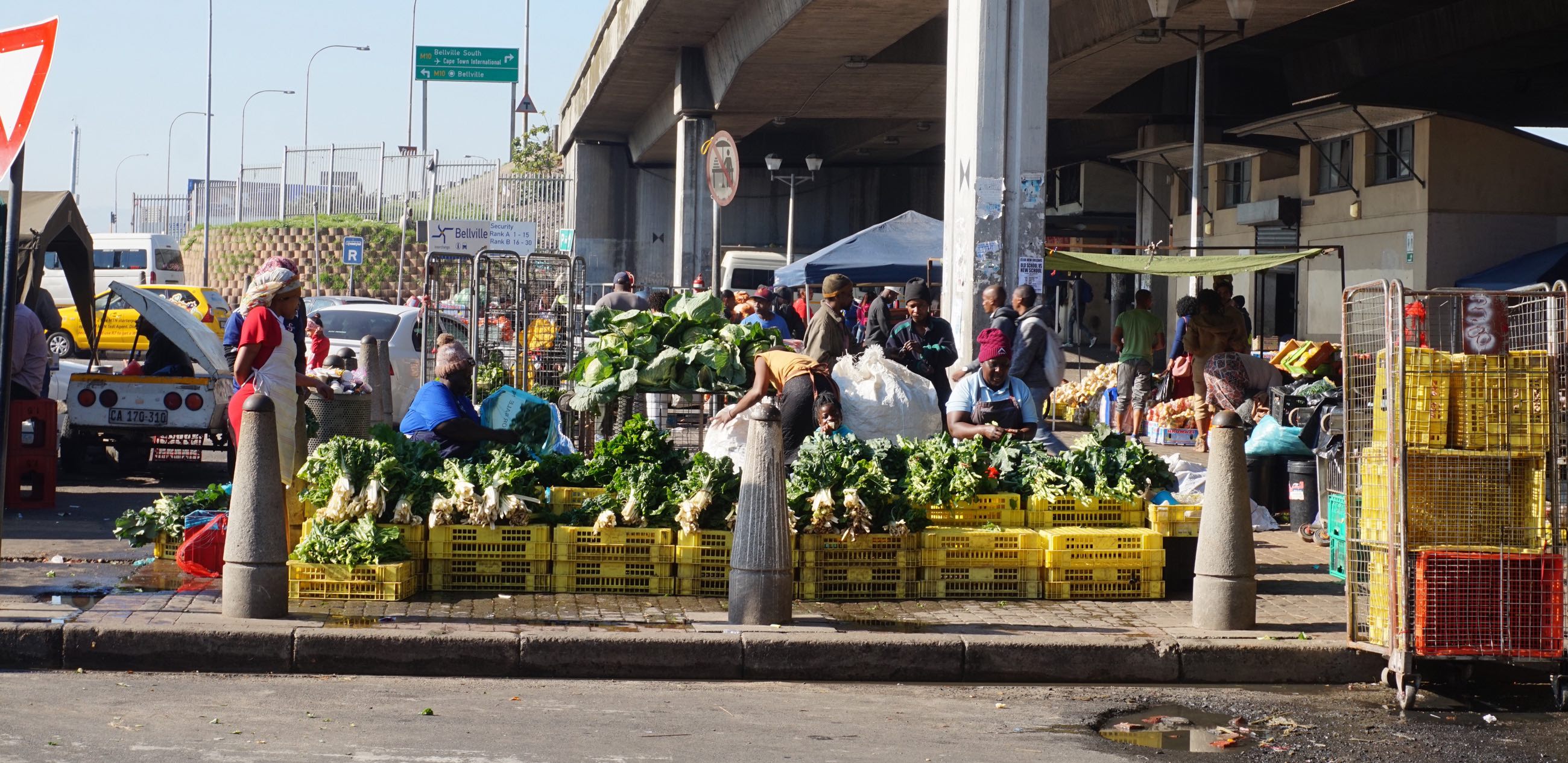
With some of the fastest growing cities in the world, Africa faces multiple and interrelated challenges in achieving food and nutrition security, as well as decent livelihoods for all. These include an accelerated climate crisis, population growth, rising rural-urban migration, extensive and largely unregulated urbanization, deepening economic inequality, and the exclusion of large segments of the population from governance structures.
Urban Food Futures is a transdisciplinary action-research programme conducted in cooperation with TMG's partners from academia and civil society. With hubs in Nairobi and Cape Town, our research is focused on informal settlements and low-income urban neighbourhoods that are largely locked out of formal service provision and governance structures. With informality as the connecting thread, we explore pathways to transform food systems and achieve the right to food for all.
Working with Informality for Food Systems Transformation
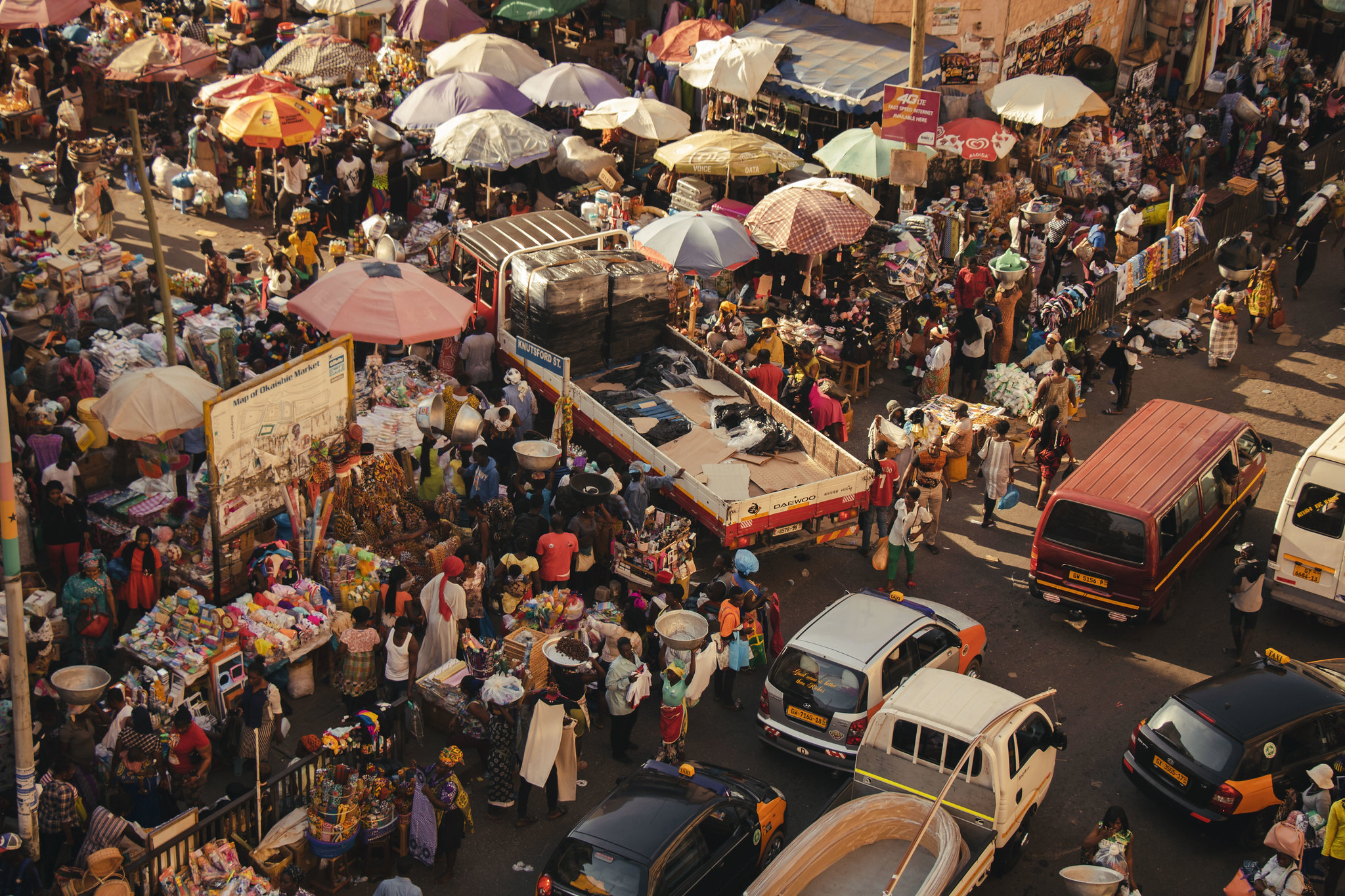
The informal economy is the foundation of livelihoods for many around the world—and therefore a vital part of building sustainable, resilient, and just food systems, especially in the current era of polycrisis. We work to valorize the informal economy as a co-creator and indispensable partner in the progressive realization of the right to food.
Trading to eat
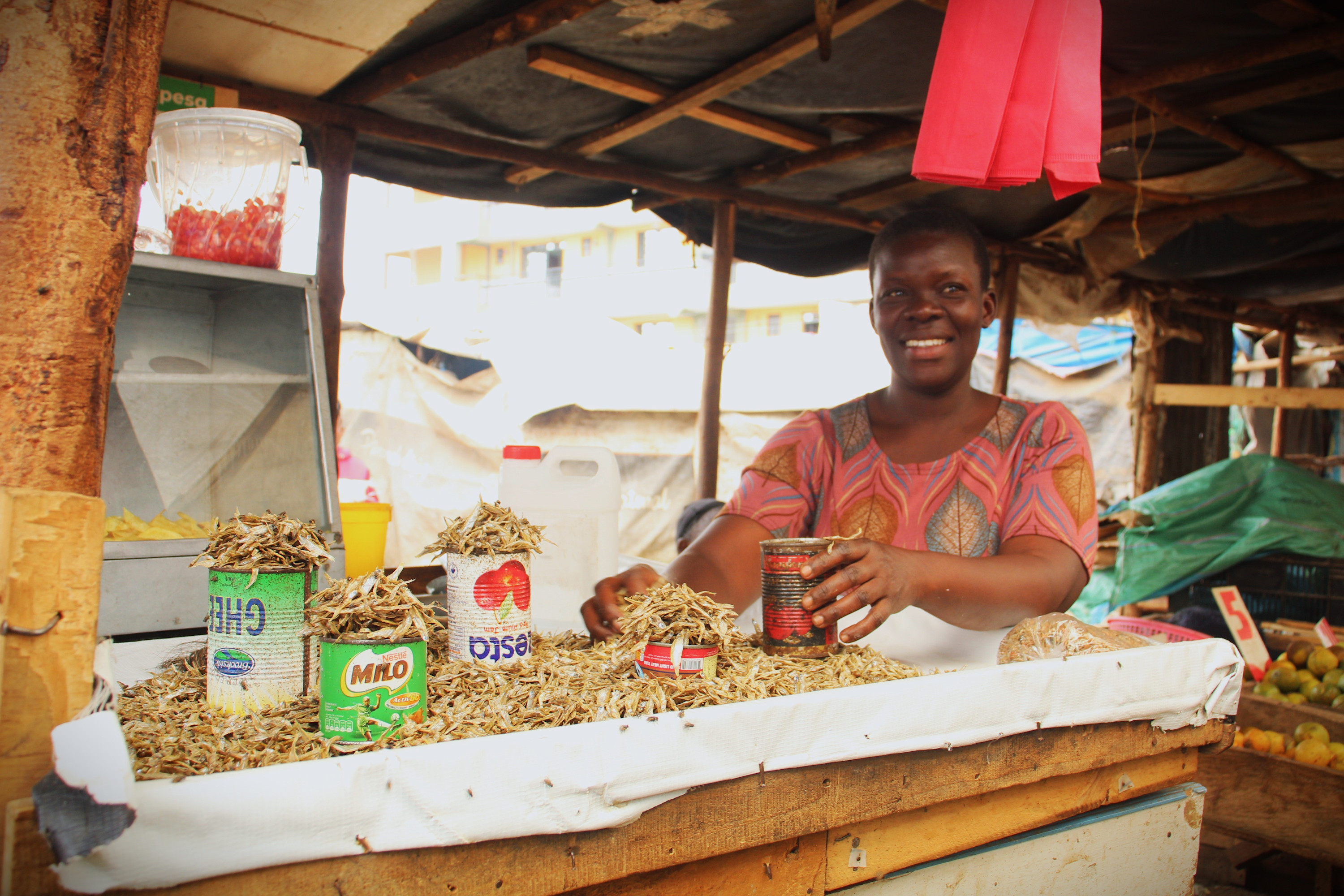
Valorizing the contribution of informal vendors towards vibrant and food-secure cities
The informal economy is a powerful force shaping Africa’s rapidly expanding cities. Due to the scarcity of formal jobs and the systemic exclusion many poor people face, informal economy livelihoods are an important safety net across most African cities. This is particularly true for women and youth. However, contradictory approaches towards informal trade and weak protective mechanisms against economic displacement by more powerful formal entities put livelihoods in the informal economy at risk, and represent an important causal driver of urban food insecurity. Yet it need not be this way. A food-sensitive approach to urban planning and design presents an opportunity to valorize informal traders as allies in cities’ efforts to eradicate hunger and malnutrition.
Coping with crises
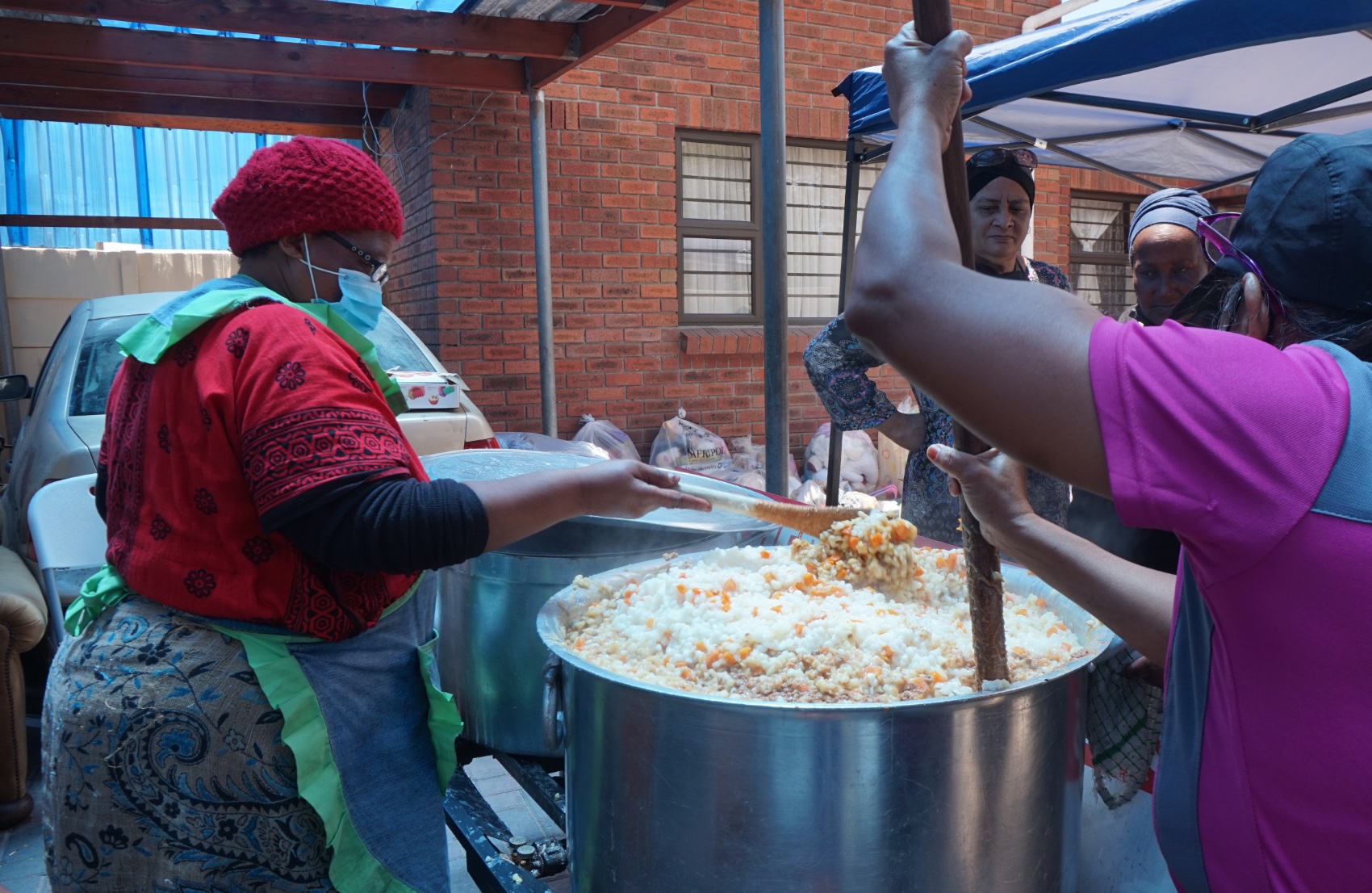
Learning together about how to institutionalize support for bottom-up coping strategies.
Low-income urban communities are largely left on their own to cope with chronic adversity and extreme shocks. Women play a critical role in such coping mechanisms, both at household and community level. However, as our research in Nairobi and Cape Town shows, successful bottom-up coping mechanisms such as community kitchens or savings groups, continue to rely heavily on women’s overstretched personal resources and unpaid work. Transitioning from such community driven solutions to systemic transformation therefore requires building an enabling environment that fosters both local agency as well as accountability by power holders.
Crowdsourcing data
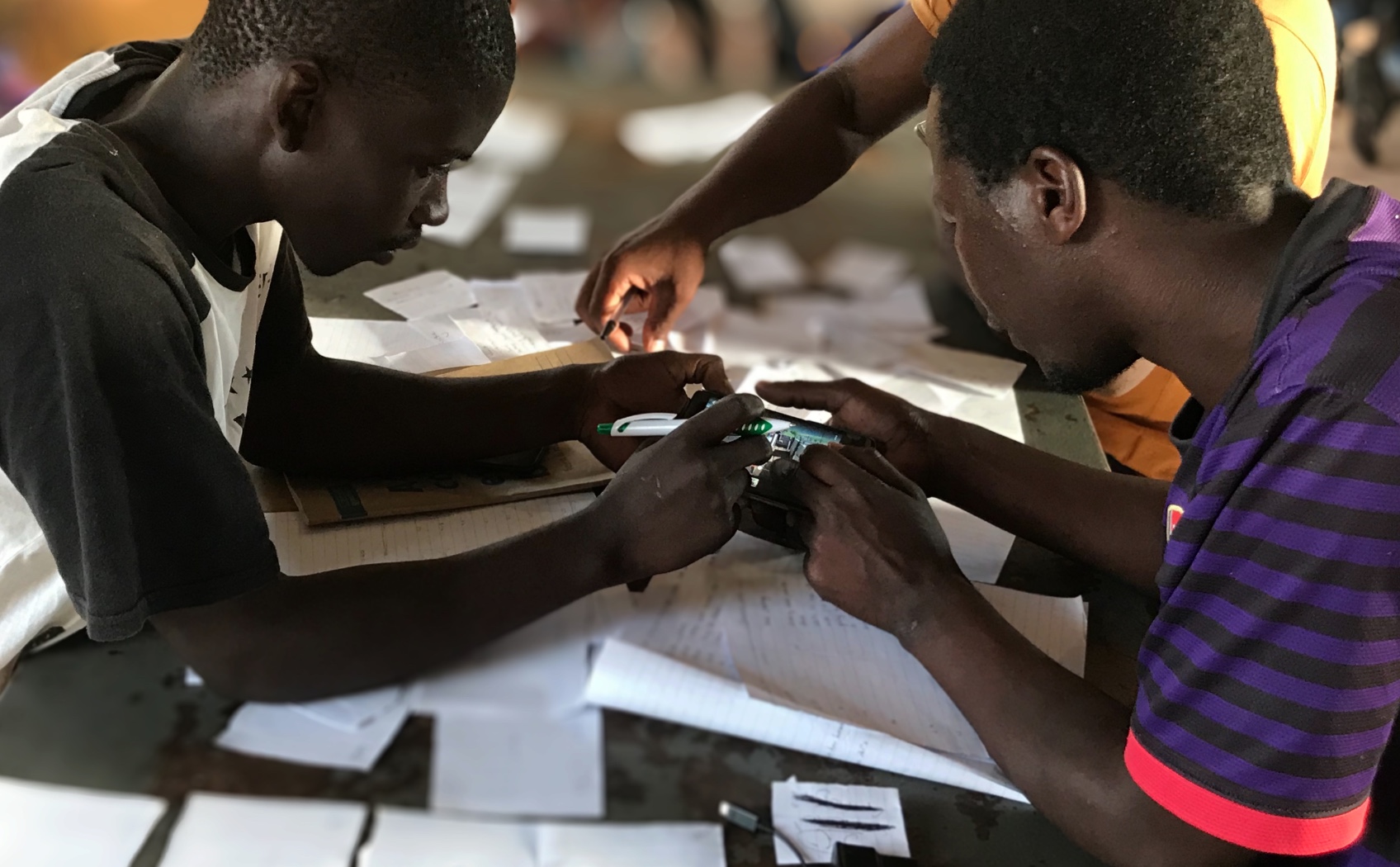
Working with urban communities to strengthen informed decision making and accountability
In fragile settings, governments and civil society often lack information to adequately respond to multifaceted crises. This challenge is particularly acute in densely populated informal urban settlements. While some city-aggregated data on food security may be publicly available, this is often outdated and unlikely to offer localized and real-time insights on food and nutritional dynamics. As demonstrated by the Covid-19 crisis, this lack of place-specific information not only hinders emergency responses, but undermines critically needed strategic planning processes to create more inclusive and sustainable food systems. With targeted support, communities in low-income urban settings could provide much needed contextualized information to tackle this data gap.
Mutual accountability

With pens and pots to parliament: Bridging the gap between communities and governance processes
“Poverty and inequality are the underlying structural causes of food insecurity and malnutrition in all its forms," ( FAO, 2021 ). By focusing on pathways to progressively realize the right to food as a binding global agreement, TMG and its partners aim to get at the heart of such inequalities. Both South Africa and Kenya recognize the Right to Food in their constitutions and have subsequently developed supporting national policies on food security. However, this "food mandate" remains highly fragmented across departments and spheres of government, making it hard to operationalize, especially at the level of local governments that interface most directly with community organizations.
Controlled environment agriculture
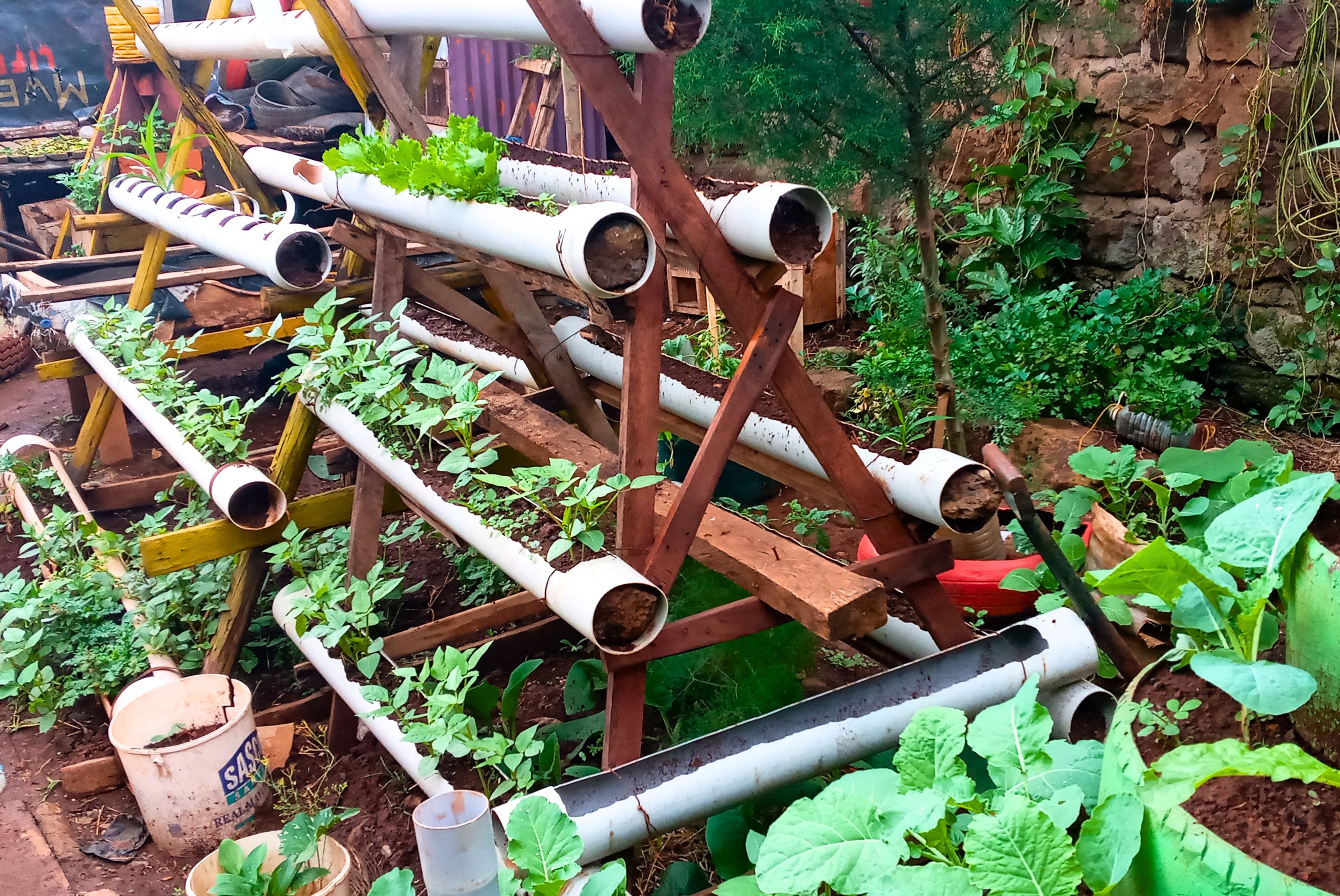
Rethinking urban farming for food and nutrition security and climate resilience
According to the Intergovernmental Panel on Climate Change (IPCC, 2021), Africa's agricultural production growth has contracted by more than 30% over the past six decades due to climate change. Continued global warming will further impact African food systems by shortening growing seasons and increasing water stress. Despite accounting for a small fraction of the food needs of Africa's growing cities, urban and peri-urban agriculture can enhance local access to fresh vegetables, pulses, eggs, and other high nutritive value foods. Controlled Environment Agriculture (CEA) approaches such as hydroponic farming can be a cost-effective and eco-friendly alternative where farming space is limited or where land tenure systems are complex.
School meals programme
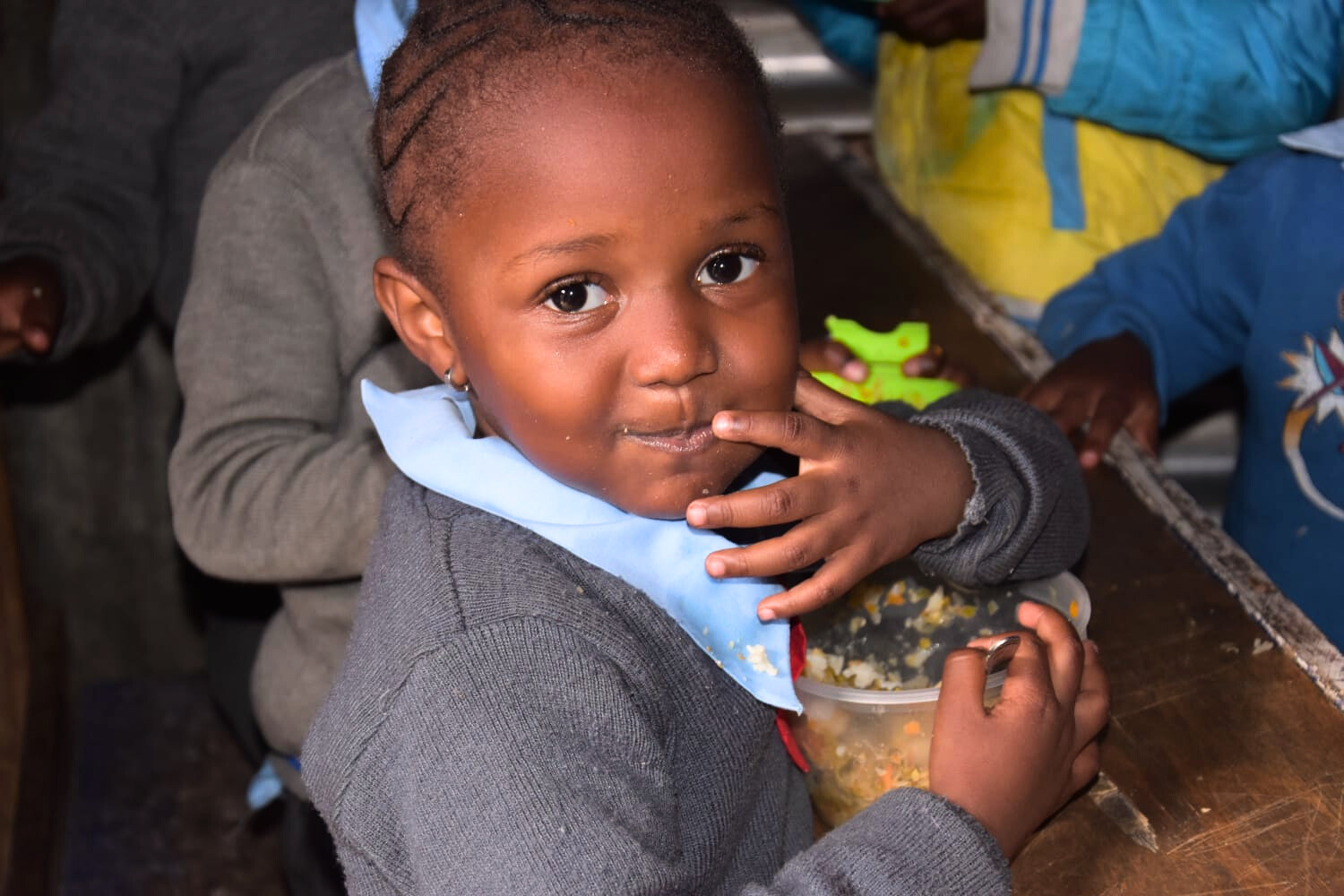
Co-creating equitable, sustainable school meals in Nairobi’s informal settlements
School meals are among the world’s most powerful social safety nets, boosting nutrition, learning outcomes, attendance, and overall child wellbeing. In 2024 alone, approximately 446 million children received school meals globally (UN WFP), putting these programmes among the largest social protection interventions of our time. Yet children in need often remain unreached, particularly in contexts where financing is constrained. TMG Research is addressing this gap through an innovative, community-led school meals model grounded in action research and co-creation.
Digitalization

Exploring the role of digitalization and social innovation for inclusive and resilient food systems.
While there are many successful development initiatives in the African region, entrenched structural inequalities and power asymmetries continue to lock out millions of people from taking charge of their own development aspirations.
Projects
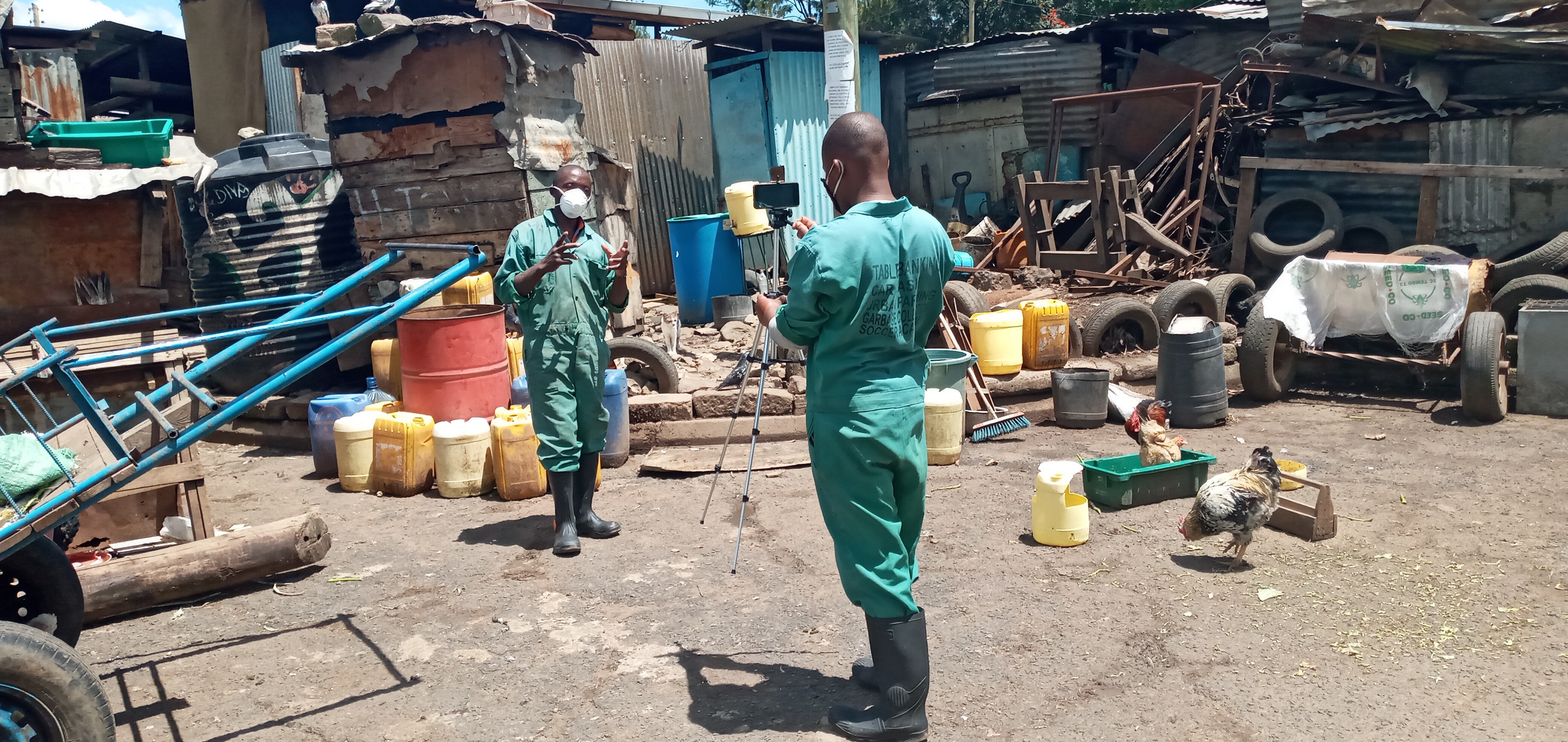
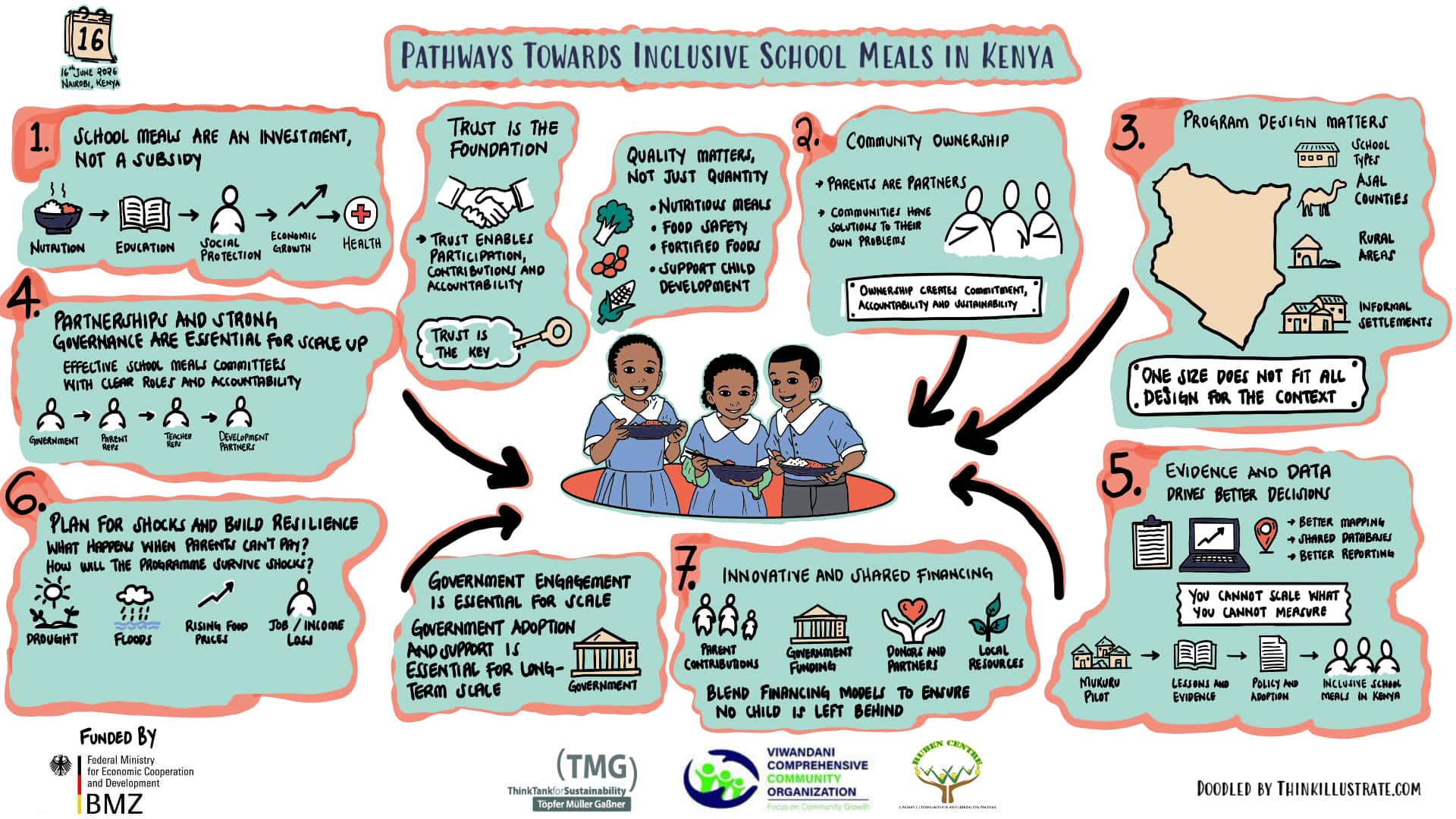
Advancing Inclusive and Sustainable School Meal Programmes
TMG Research and its partners convened a stakeholder dialogue to launch a policy brief and facilitate dialogue on the design, financing and sustainability of inclusive school meal programmes, drawing on lessons from Mukuru.
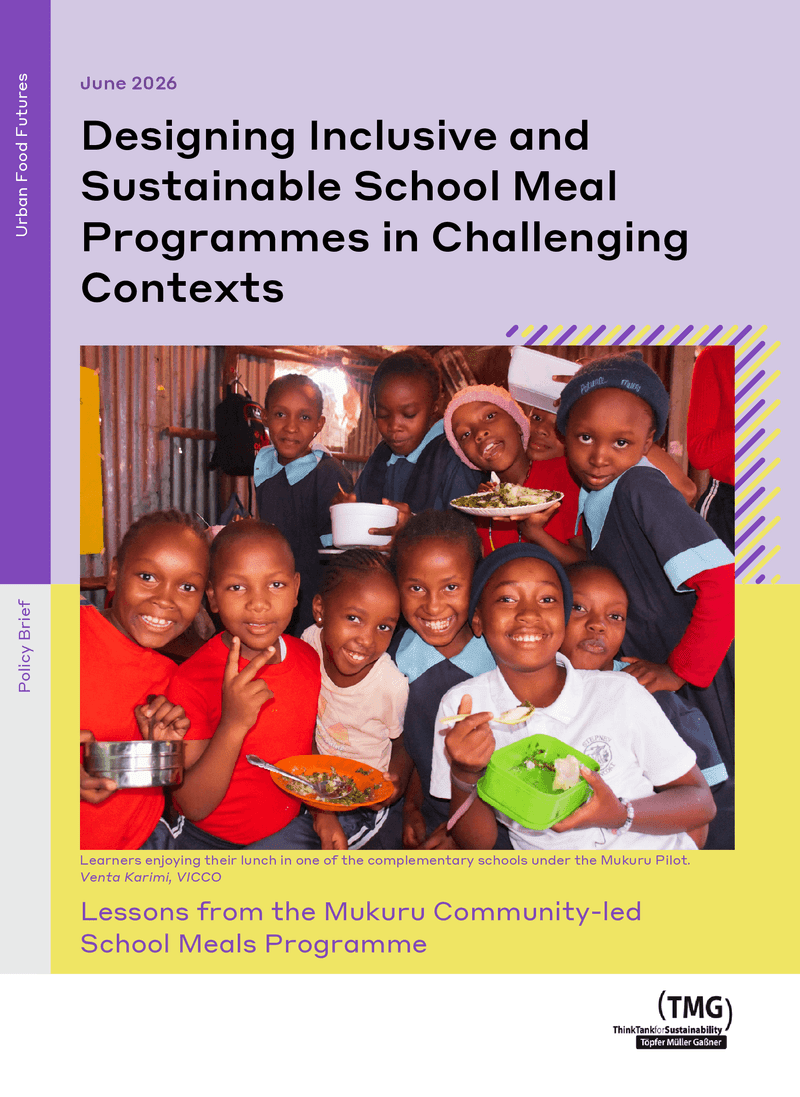
Designing Inclusive and Sustainable School Meal Programmes in Challenging Contexts
Lessons from the Mukuru Community-led School Meals Programme
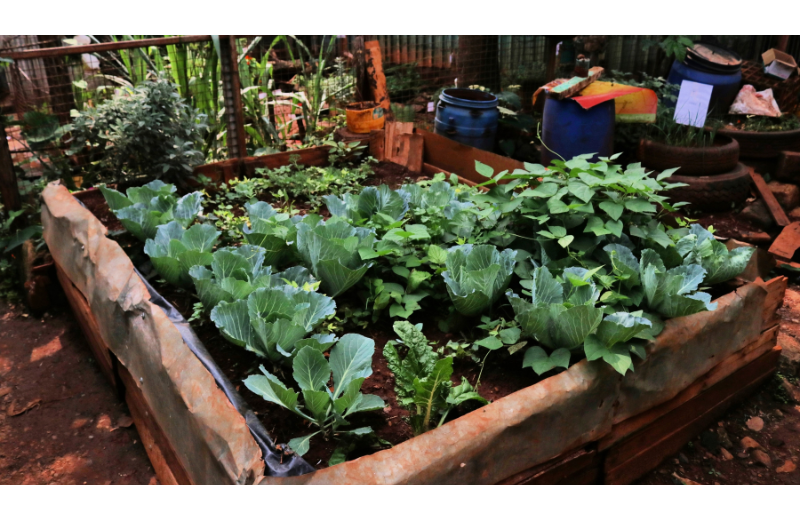
Pushing the horizon: Urban farming and community-led innovation in Mukuru informal settlement
A small community-run greenhouse in Mukuru is offering insights into how controlled-environment agriculture can strengthen food security in urban environments under increasing pressure—and a look into the future of food systems in informal settlements.
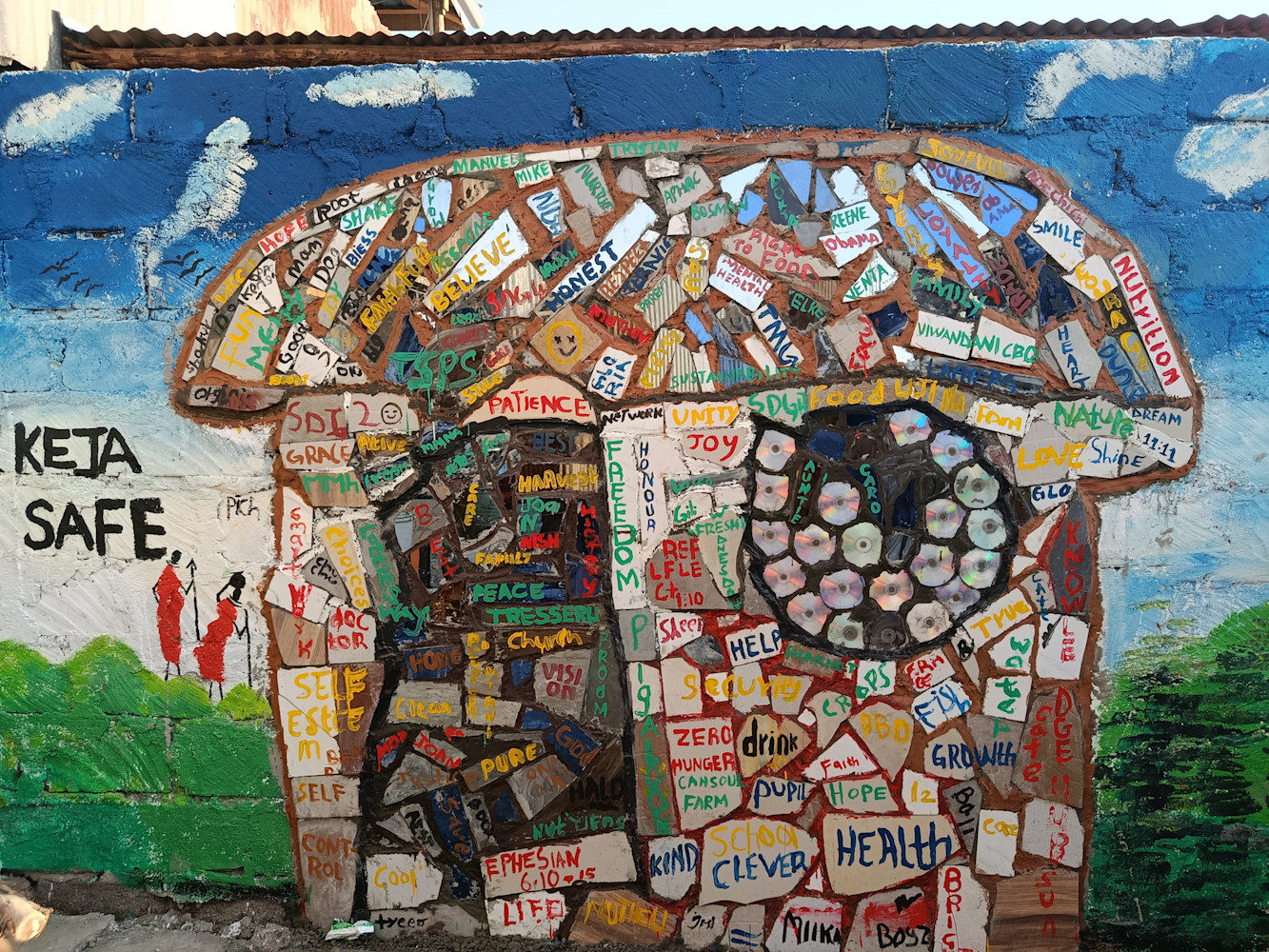
The story of Mukuru's Urban Nutrition Hub
In Mukuru informal settlement, a safe haven for women has grown into the Urban Nutrition Hub, a multi-purpose space for nutrition education, training, and community development, demonstrating the potential of grassroots community-owned innovation..
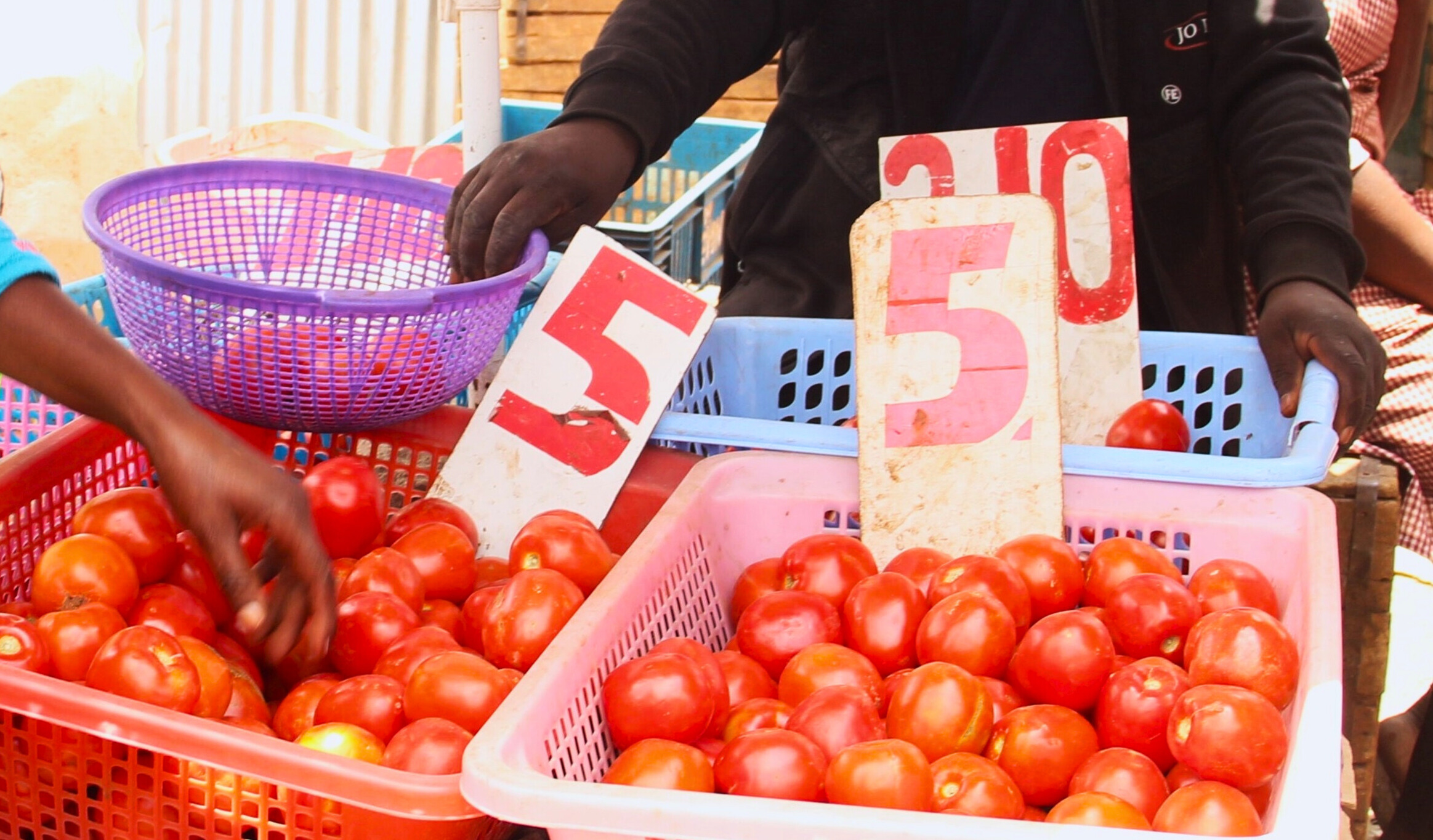
Cheaper food, higher costs: The paradox of Nairobi’s food systems
What are the hidden costs of foods sold in Nairobi's informal markets, and who must bear them? We discuss how the city could build food systems that are both affordable and fair—for consumers and the people who feed them.
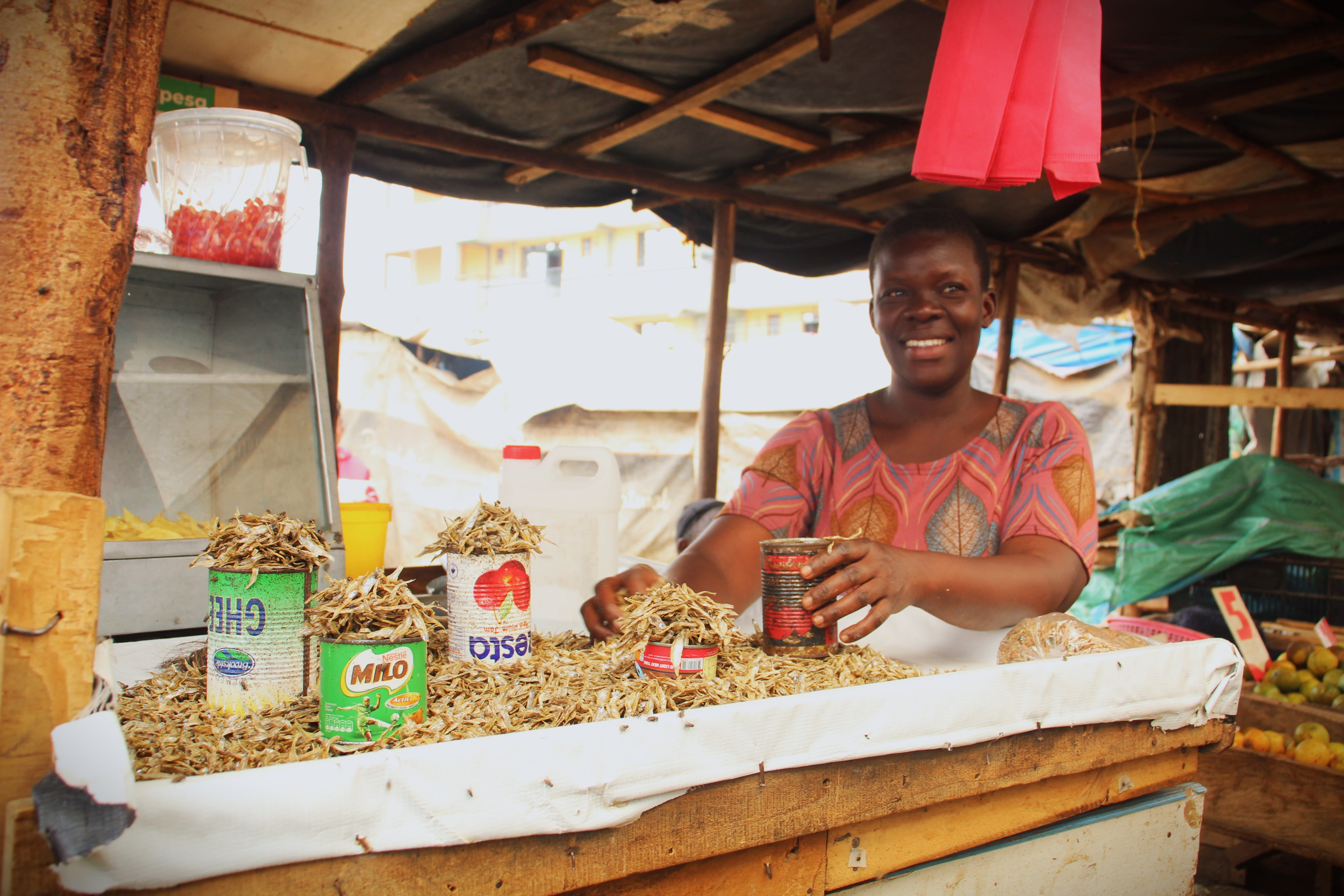
Working with informality: A hidden path to Zero Hunger
Global progress on Zero Hunger is faltering, but a powerful, overlooked solution exists: working with informality. Supporting the networks already feeding cities and sustaining communities can drive progress not only on hunger, but across multiple SDGs.
Policy Brief
Designing Inclusive and Sustainable School Meal Programmes in Challenging Contexts
Lessons from the Mukuru Community-led School Meals Programme
Written by Emmanuel Atamba, Jes Weigelt, Cheboi Jerono Sharon, Alexander Müller
Published on Jun 29, 2026
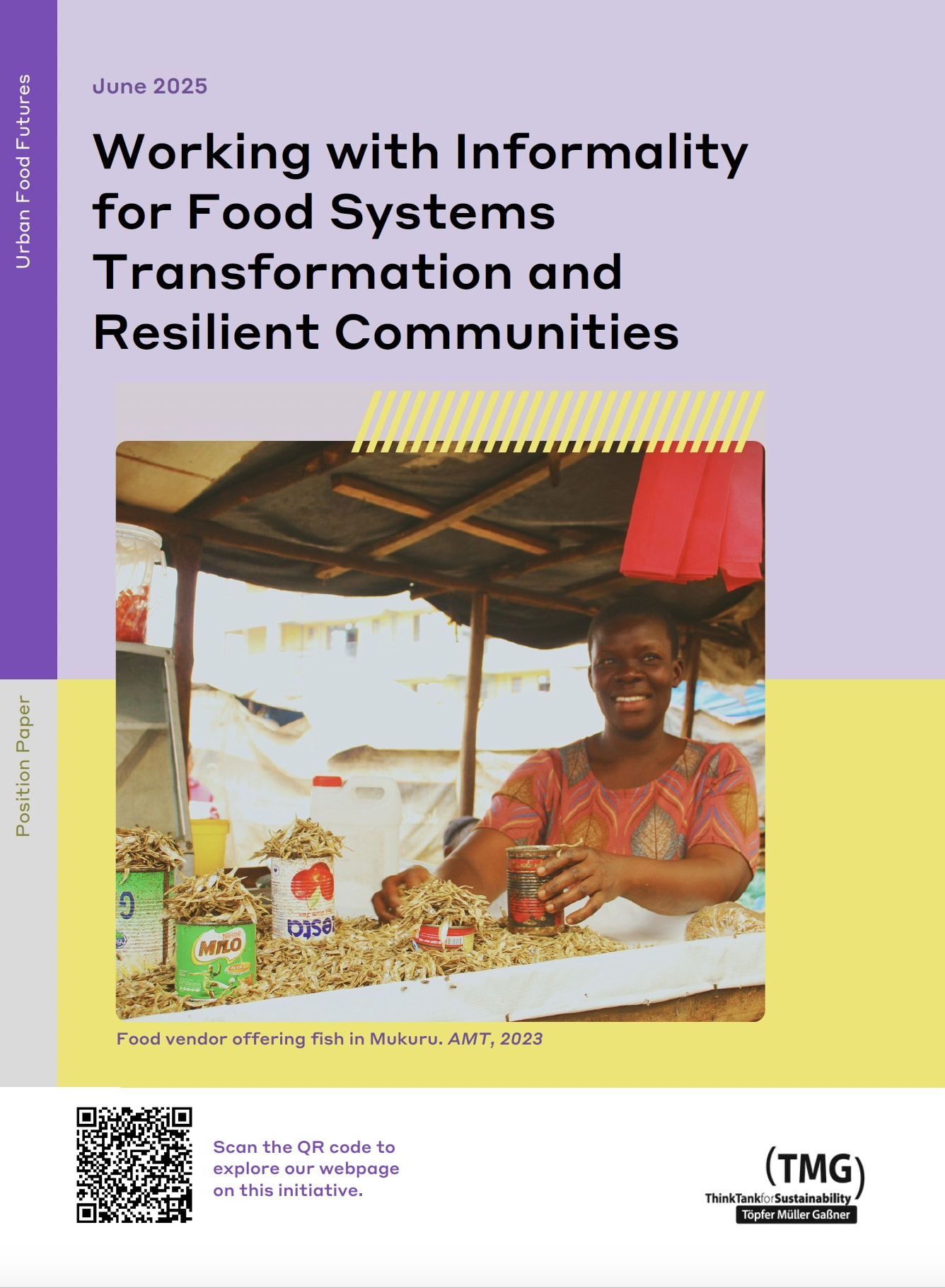
Info Brief
Working with informality for food systems transformation and resilient communities
This paper argues that working with informality is key to achieving the Sustainable Development Goals, especially Zero Hunger. Our research from Nairobi and Cape Town shows informal actors drive local solutions and need supportive policies, not exclusion.
Written by Emmanuel Atamba, Christian Sonntag, Thembeka Sikobi, Serah Kiragu-Wissler, William Onura, Lumi Youm, Daniel Montas and Jes Weigelt
Published on Jun 02, 2025
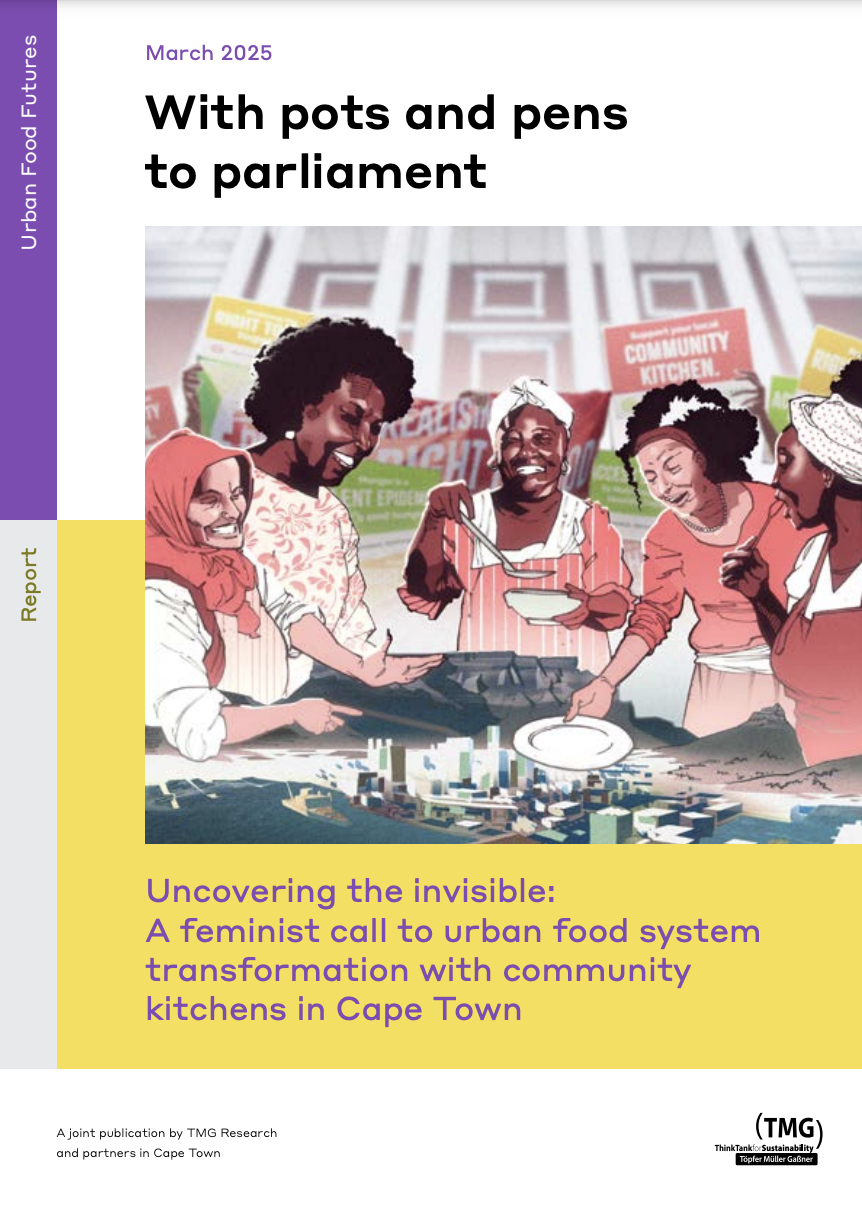
Report
Uncovering the invisible: A feminist call to urban food system transformation with community kitchens in Cape Town
Drawing on research from six communities, this report highlights the rising dependence on community kitchens and their role in addressing hunger, providing social protection, and fostering resistance.
Written by Nicole Paganini with contributions from Avril Andrews, Bonang Libuke, Caroline Peters, Thembeka Sikobi, Nomonde Buthelezi and Jes Weigelt
Published on Mar 03, 2025
Policy Brief
Pathways to transform urban food systems: feminist action research from Cape Town and Nairobi
This paper, published in the journal Sustainable Food Systems, provides a feminist analysis of urban food security in Nairobi and Cape Town, highlighting five transformative pathways to strengthen informal sectors and address systemic inequities.
Written by Nicole Paganini, Vanessa Farr, Jes Weigelt
Published on Jan 06, 2025
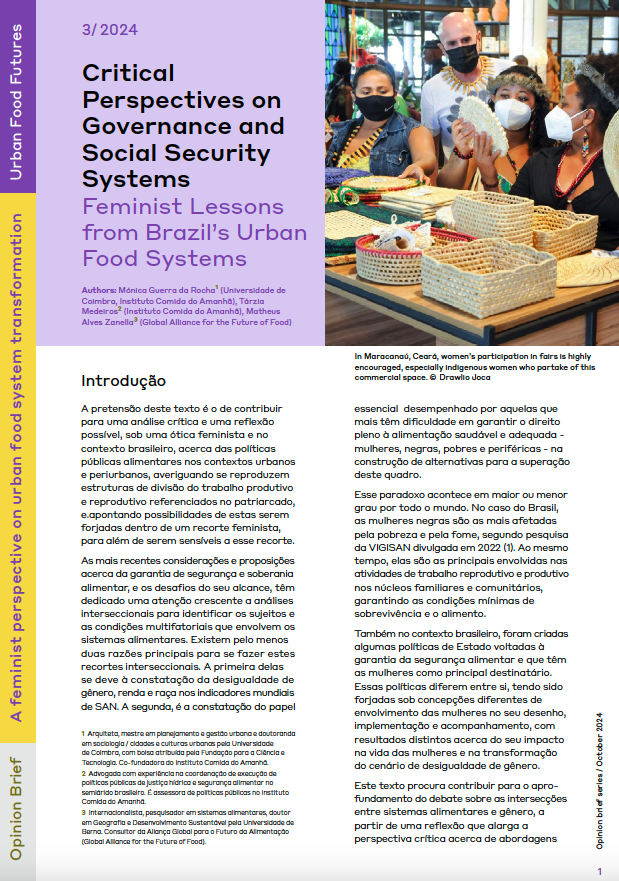
Article
Critical Perspectives on Governance and Social Security Systems Feminist Lessons from Brazil’s Urban Food Systems_Portuguese
This piece explores whether food policies in Brazil focusing on urban and peri-urban areas reinforce patriarchal labour divisions, while proposing alternative policies grounded in feminist approaches.
Written by Mónica Guerra da Rocha (Universidade de Coimbra, Instituto Comida do Amanhã), Tárzia Medeiros (Instituto Comida do Amanhã), Matheus Alves Zanella (Global Alliance for the Future of Food)
Published on Oct 21, 2024
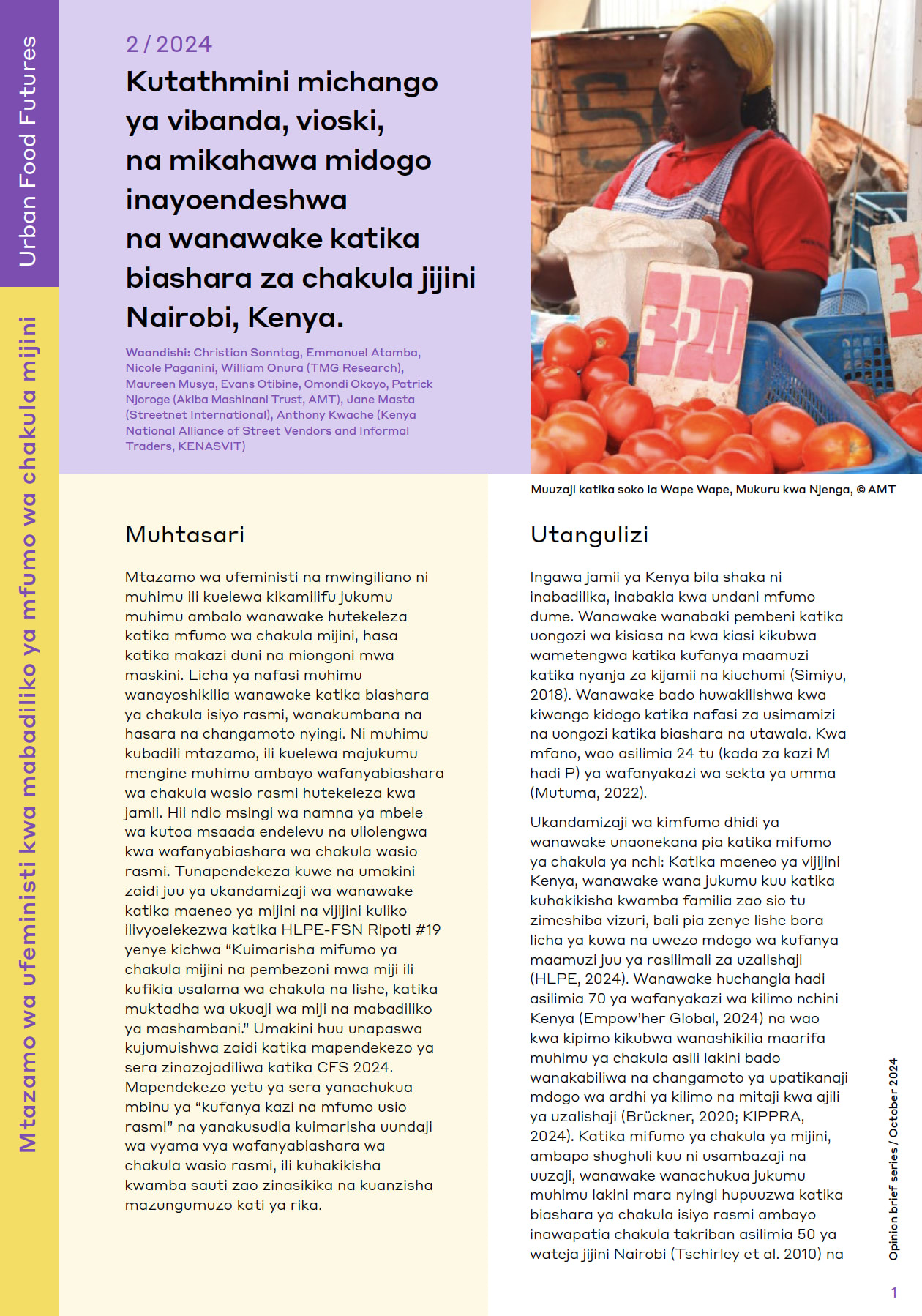
Article
Kutathmini michango ya vibanda, vioski, na mikahawa midogo inayoendeshwa na wanawake katika biashara za chakula jijini Nairobi, Kenya
Makala haya yanatoa wito wa kuzingatia zaidi hali ya kutengwa kwa wanawake na yanatoa mapendekezo ya sera kusaidia wauzaji wa sekta isiyo rasmi.
Written by Christian Sonntag, Emmanuel Atamba, Nicole Paganini, William Onura, Maureen Musya, Evans Otibine, Omondi Okoyo, Patrick Njoroge, Jane Masta, Anthony Kwache
Published on Oct 21, 2024