
Building Back Better This Time? Responses to an Unfolding Food Price Crisis
Drawing two conclusions on our global food systems roughly two months after the closure of the Strait of Hormuz
by Jes Weigelt, Violet Shivutse, Mino Ramaroson, Alexander Müller [1], TMG Research, Shibuye Community Health Workers, Huairou Commission
Published on Apr 30, 2026
Background
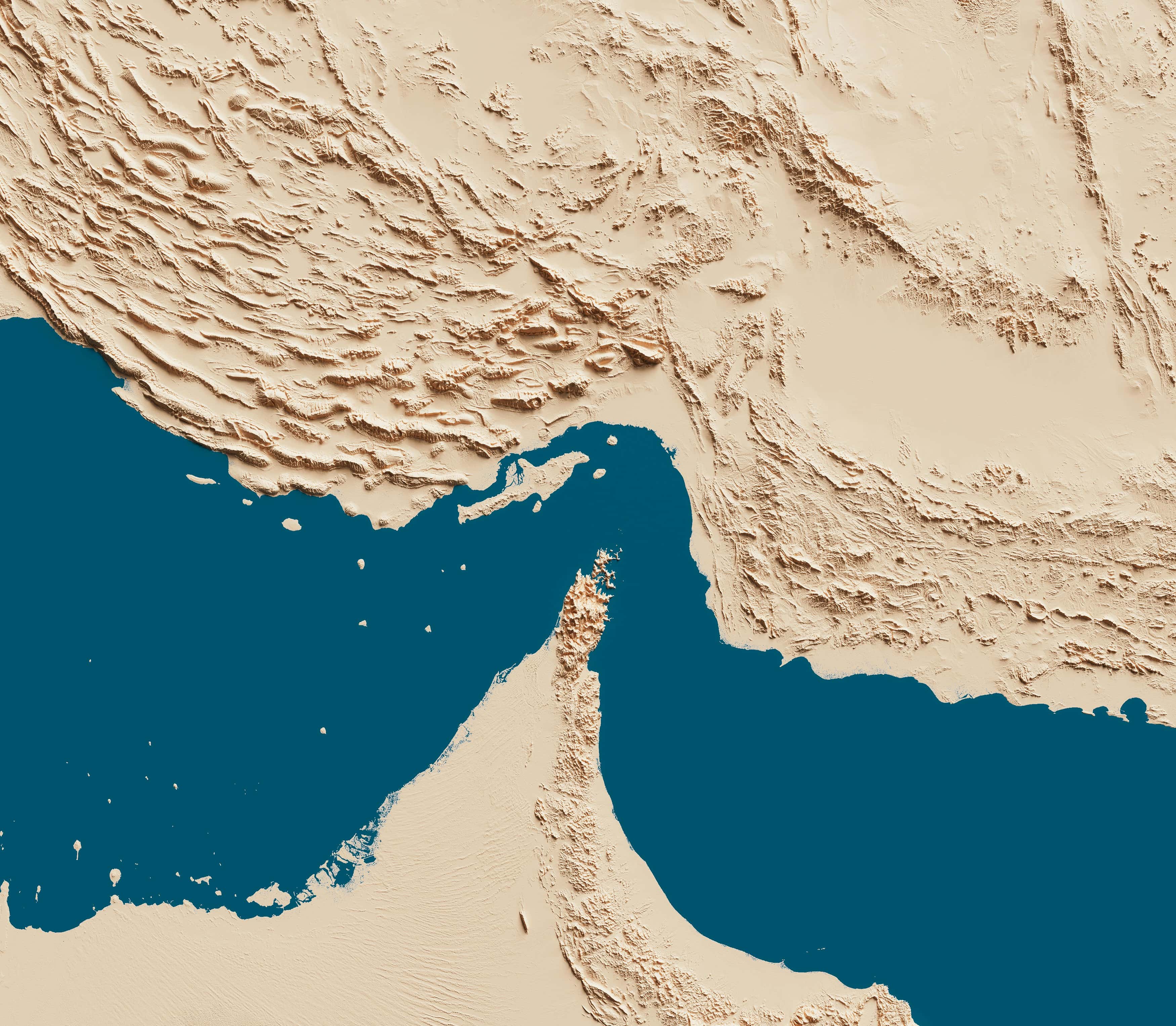
Roughly two months after the closure of the Strait of Hormuz, we can already draw two conclusions on our global food systems. First, after the impact of the COVID-19 pandemic and Russia’s war of aggression against Ukraine, global food systems are hit by the third major shock in only seven years. The current crisis is still unfolding, and its impacts are yet to fully materialise. Yet, the delay between an eventual opening of the Strait and stabilised energy markets is likely to have a severe impact on fertiliser markets during the upcoming planting seasons. Second, the conclusions drawn from the impact of COVID-19 and the war in Ukraine on ways to make our global food systems more resilient were not implemented, or were not implemented as systematically as would have been necessary. Otherwise, we would lead very different discussions than those that we need to have right now.
This shock hits an already not well functioning global food system: more than 670 million people are going to bed hungry every day and major negative impacts on human and environmental health make a strong call for transformation of food systems. Building back better was the catch-all phrase used during COVID-19 to describe the intention of responding to the crisis in a way that would make our societies more resilient afterwards - rather than putting a band-aid on systems that were in urgent need of transformation.
Below, we outline our perspective on a crisis response that will build structures to make food systems more resilient. Further, we will describe the structural changes in our food systems necessary to increase their resilience in the medium- and long-term. We write this piece from a food and nutrition security perspective. While this is arguably only one perspective on food system transformation, we believe it is key to focus on those who are already food insecure and those who are likely to be hit the hardest by the unfolding crisis.
In this regard, it is important to note that the current crisis unfolds at a time when food prices are already significantly higher than before the COVID-19 pandemic. The current crisis hits many people who already have their resources and capacity to respond to yet another shock strained.
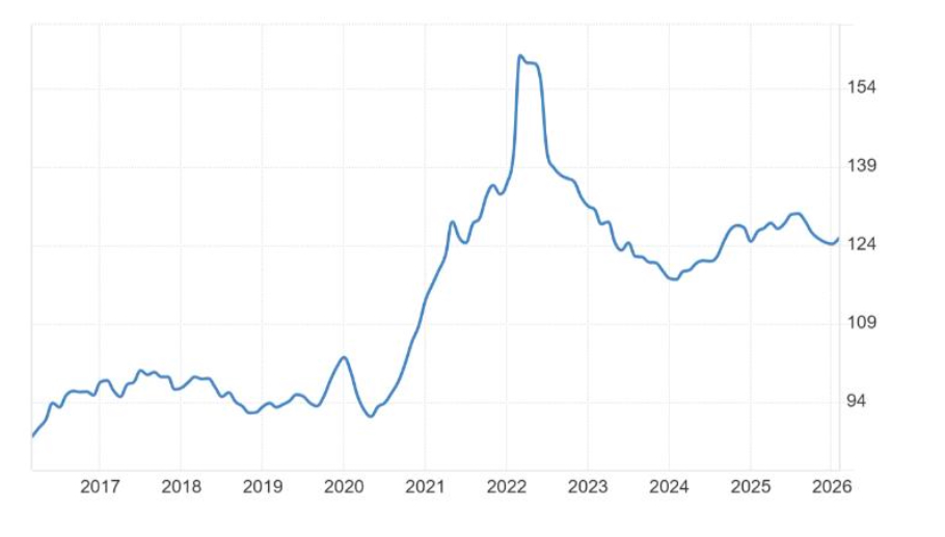
Source: WFP 2026
Crisis response
WFP estimates that the current crisis could lead to an additional 45 million people facing acute hunger if the war continues through the second quarter of this year. In this scenario, 363 million people would be food insecure in 2026. Current proposals to respond to the immediate crisis call for a humanitarian corridor for fertiliser exports through the Strait of (resembling the Black Sea Grain Initiative) or, more generally, for freedom of navigation. Further, vulnerable import-dependent countries should gain access to food aid and balance-of-payments support through mechanisms such as FAO’s Food Import Facility.
Additionally, we believe it is important to strengthen those local networks and initiatives that already provide services to those in need. During COVID-19, we observed community-driven responses, such as community kitchens (see examples from South Africa and Peru), that provided a lifeline to households that could no longer access food. Yet, there is little systematic support for these grassroots responses.
This experience could be labelled anecdotal. It is not. Consider, for example, the conclusions drawn from the global responses to the extended drought period in the Horn of Africa in 2020-2022. It is local actors, and often women, who provide support to neighbours and community members during droughts. These local organisations can play a key role in channelling resources to those in need. In fact, the debate on localisation in humanitarian aid focuses on strengthening these local actors.
Yet, we do not see that the current discussion on crisis responses focuses on this group of actors that provides these essential services. To build back better, however, systematic support for such locally-led initiatives is key to creating the social infrastructure that offers minimal, informal social services.
Structural changes to enhance food systems’ resilience
In the medium and long term, the following areas are pivotal to enhancing food system resilience:
- Women’s rights, resources, and representation: Data shows that women are particularly hard hit by food insecurity. They eat the least and the last, they are the family’s “shock absorber”. Creating resilient food systems means strengthening women's roles in households and communities. Women still have less and less secure access to land. Research shows, though, that securing women’s access to land increases their investments in soil rehabilitation, which, in turn, improves the nutritional status of the family.
- Knowledge and services systems for agroecology: Agroecology reduces the fossil fuel dependence of agricultural production. Its principles and elements offer the potential to develop a systemic response to the challenges posed by climate change. Yet, agroecology is highly knowledge-intensive. Scaling agroecological production necessitates rural service and advisory systems that enable producers to shift their production systems (see examples from Nigeria and Tanzania). The inclusion of BMZ’s Special Initiative “Transformation of Agricultural and Food Systems” into BMZ’s regular budget offers the possibility to explicitly focus on extension services for agroecology.
- The key role of informal employment: Analyses of the impact of the 2008/09 food price crisis show that a key coping mechanism was to work longer hours to still afford food. Employment opportunities were largely found in the informal sector. Globally, the informal sector is often penalised or not supported. Further, it is seldom considered a partner in improving food and nutrition security. This is despite the fact that many informal workers actually work in the food sector. Working with the informal sector would offer an important avenue to address the possibilities of food-insecure households to earn a living and thereby make them less vulnerable to food price shocks. This is particularly important, since the per capita GDP in around 40% of low-income countries is still lower than it was prior to the COVID-19 pandemic. On the nutrition side, analyses of the 2008/09 food price crisis showed that working longer hours implied a shift toward readily available, less healthy diets high in fat, sugar, and salt. To return to our previous argument, working with small, informal food stalls offers the possibility of progressively addressing nutritional questions.
- The demand side of food production: Current responses focus on the supply side of our food systems. Reducing the fossil fuel dependence of production, ensuring fertiliser supply, and demands to keep global markets open. From our point of view, a comprehensive crisis response would also require a look at a worst-case scenario: What will happen when food availability falls short, when stocks will go down, and countries will restrict export of food? In such a case, it will be necessary to unlock food reserves by changing the way the world uses agricultural products. Globally, only around half of the cereals produced are actually directly used for human consumption. Around 40% is used as animal feed (which implies a low conversion rate of energy contained in grains into energy contained in animal products), and 10% for industrial uses. Chief among the industrial uses is the production of biodiesel. To prepare for times when food availability is reduced, the demand side of the food system demands urgent attention. While this is surely a long-term project, it is also vital in light of projected climate change impacts on food production.
Outlook
The current geopolitical developments are driving discussions about the resilience of our food systems. The projected impacts of the closure of the Strait of Hormuz on acute food insecurity warrant immediate attention in crisis response planning. At the same time, scenarios of future climate show that the world will soon overshoot the 1.5 °C target of average global warming. UNEP’s latest Emission Gap Report projects peak warming of 1.9 - 2.8 °C. Every fraction of a degree of warming means more and stronger extreme weather events. It is therefore essential that our responses to the current crisis address long-standing barriers to food system resilience. The closure of the Strait will otherwise be followed by a wave of increased global fragility.
[1] Axelina Gunnarsson and Carmen Steinmetz provided invaluable research support, which is highly appreciated.
- Urban Food Futures Jul 27, 2026
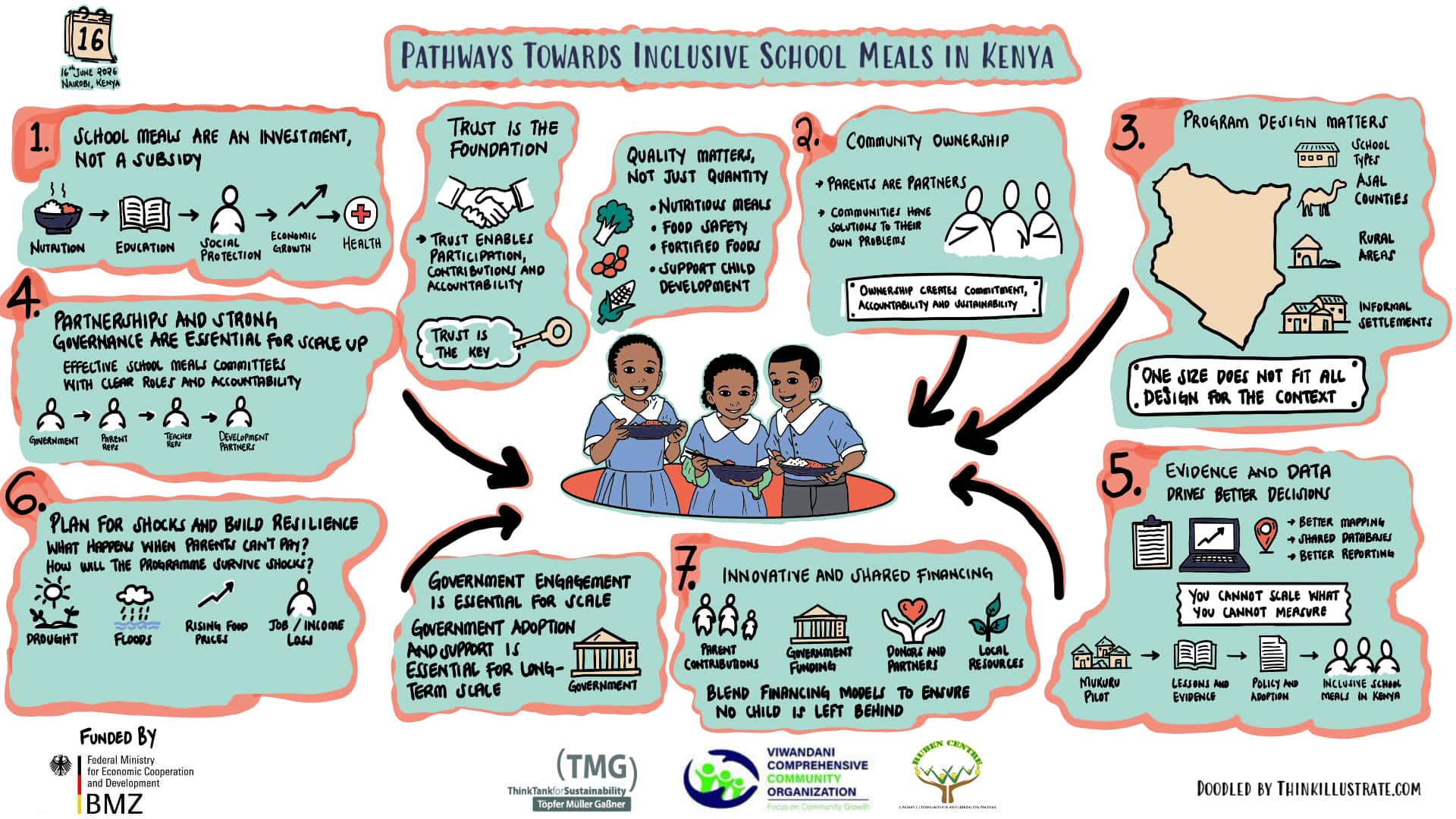
Advancing Inclusive and Sustainable School Meal Programmes
TMG Research and its partners convened a stakeholder dialogue to launch a policy brief and facilitate dialogue on the design, financing and sustainability of inclusive school meal programmes, drawing on lessons from Mukuru.
Emmanuel Atamba, Cheboi Jerono
- Land Governance Jun 24, 2026
Women don't live in silos. The Rio Convention's Gender Actions Plans should match this reality.
Frederike Klümper, Judith Rosendahl (GIZ), Venge Nyirongo (UN-Women), Dr. Birguy Lamizana (UNCCD), Jes Weigelt
- Land Governance Jun 17, 2026
Beyond Decisions, Laws, and Regulations: Why Are Pastoral Areas Still Shrinking and Farmer-Herder Conflicts Rising?
This World Day to Combat Desertification and Drought, we ask why pastoral land in Niger continues to shrink despite decades of legal protection, and what it will take for the commitments made under the UNCCD to actually hold.
Kader Baba
Written by Jes Weigelt, Violet Shivutse, Mino Ramaroson, Alexander Müller [1], TMG Research, Shibuye Community Health Workers, Huairou Commission