

Beyond Decisions, Laws, and Regulations: Why Are Pastoral Areas Still Shrinking and Farmer-Herder Conflicts Rising?
This World Day to Combat Desertification and Drought, we ask why pastoral land in Niger continues to shrink despite decades of legal protection, and what it will take for the commitments made under the UNCCD to actually hold.
by Kader Baba
Published on Jun 17, 2026
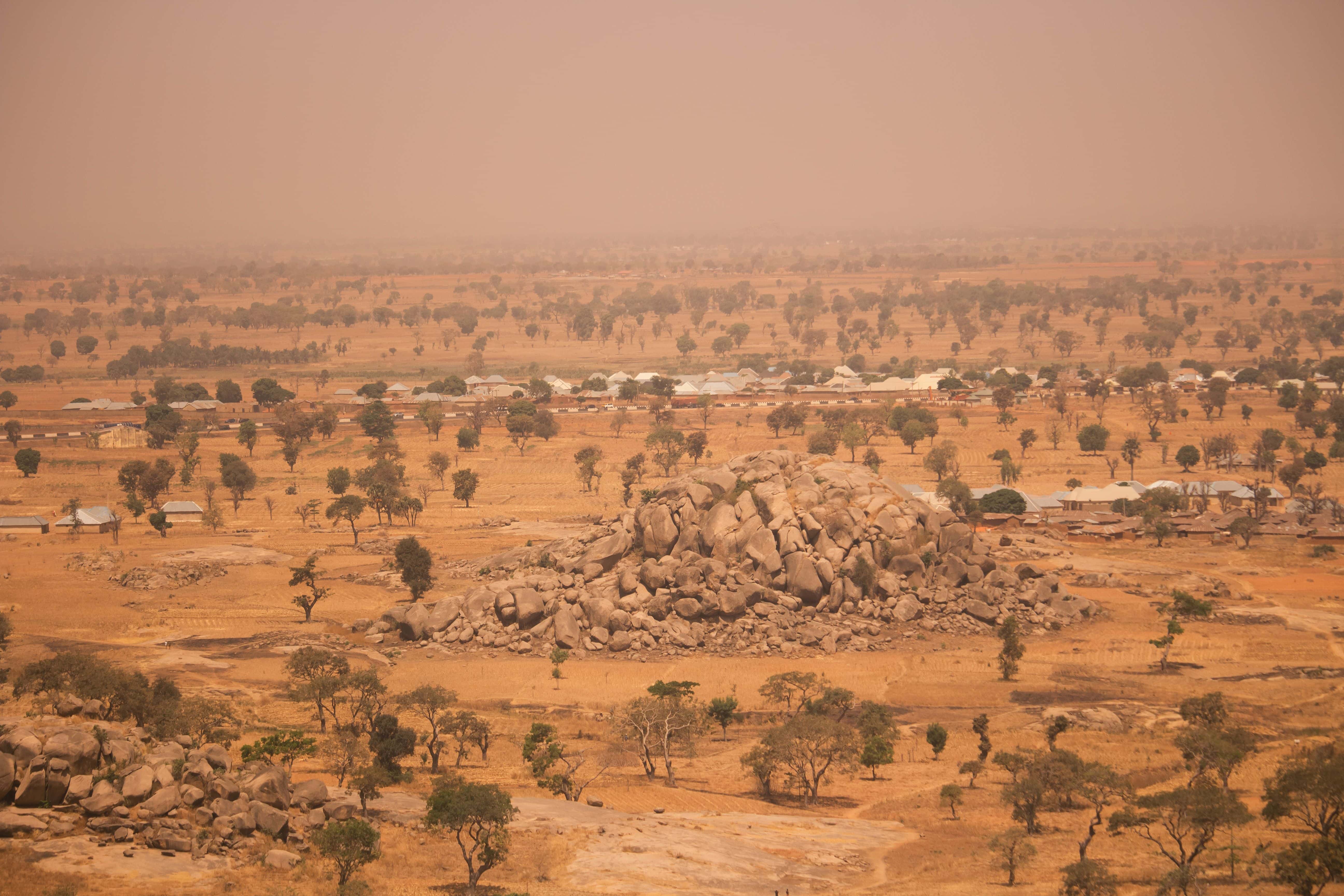
This year, World Day to Combat Desertification and Drought is hosted by Kenya. 2026 also happens to be the International Year of Rangelands and Pastoralists, a rare moment of global attention on communities that have long been marginalised in land governance discussions. Yet attention and action are not the same thing. In Kenya, as across the Sahel, pastoral areas are shrinking, farmer-herder tensions are rising, and the legal frameworks meant to protect pastoral communities are failing to do so in practice. With rangelands firmly on the COP17 agenda, our research in Niger addresses a timely concern: why do better laws and stronger commitments so rarely change what actually happens on the ground?
A pioneering law that remains largely unenforced
Niger is one of the Sahel countries where tension between agriculture and pastoralism is most acute. Livestock contributes 8.7% of national GDP (INS, 2023), though much of its value circulates outside the formal economy (INS, 2023). More than 80% of the rural population is engaged in the sector, often within agropastoral systems (World Bank, 2023).
As early as 1961, recognising the risks of agricultural encroachment on grazing lands, the state adopted Law No. 61-05 of 26 May 1961, establishing a northern boundary for cultivation. Confirmed by Ordinance No. 2010-029 on pastoralism and the Rural Code (Ordinance No. 93-015 of 1993), this legislation created a legal framework to protect pastoral areas.
Do communities themselves see value in this framework? The answer in a survey conducted by AREN is clear. 90.5% of respondents said the law and its provisions are important because they ensure equitable access to resources. Moreover, 83% reported that they contribute to stronger social cohesion.
So why, despite this apparent social legitimacy, does enforcement remain so weak?
Knowledge of the Law Does Not Always Translate into Enforcement
Despite the law establishing a northern cultivation boundary, and its recognised importance for social cohesion, more than 5000 farms are illegally operating in land meant for pastoralists, representing an encroachment of over 48,996 hectares (AREN field data, 2024, unpublished). The greatest pressure falls on the transitional zone immediately south of the northern cultivation line: Nine out of ten families surveyed there are farming on land that is legally reserved for pastoralists, according to the AREN survey.
While agricultural saturation in the south drives farmers northward, another challenge arises. Some herders within the pastoral zone also practice subsistence farming (25.2%), a core strategy in a food insecure region, and this is used by other farmers to justify their own encroachment, a logic of "if they can, why can't we?" Isolated individual cases of land grabs exceeding 60 hectares were also reported, pointing to deliberate appropriation and deeper institutional failures.
Is this driven by ignorance of the law? Not quite. 87.7% of respondents say they are aware of the texts governing the pastoral zone, though few can distinguish between the Rural Code and the pastoralism law. Most know about the prohibition on cultivation in the pastoral zone, recognise state ownership over the land and water points, and that violations, such as setting bush fires, carry sanctions.
The problem, then, is not knowledge. It is the gap between knowing and doing.
Key Messages
- Decisions, laws, and regulations are necessary but not sufficient. Enforcement is the bridge between policy and change. COP16 in Riyadh adopted the first-ever UNCCD decision on rangelands and pastoralists, a landmark that can be built on in Mongolia. Our research in Niger suggests that before adding new layers, Parties should acknowledge that rules on paper do not automatically produce results on the ground. Adequate, sustained support for enforcement is essential.
- Policy inconsistency breeds unfairness, and fuels non-compliance. Allowing pastoral communities within the pastoral zone to cultivate food crops, without a clear communication and community engagement strategy, creates a perception of double standards, and invites violation in the name of fairness.
- Enforcement requires institutional alignment — not just legal frameworks. Conflicts between customary leaders and local land commissions undermine both rule enforcement and conflict resolution. Only 16% of land-related disputes are resolved by land commissions; over 70% remain under the authority of traditional leaders, often accompanied by unofficial fees (AREN data, 2024). Without resolving these overlapping mandates, effective enforcement will remain out of reach.
The patterns we observe in Niger are not isolated. Over the past five years, TMG Research has been monitoring the implementation of the UNCCD land tenure decision across six countries, Benin, Kenya, Malawi, Madagascar, Uganda, and Niger, with support from BMZ and the Robert Bosch Stiftung. The findings, published in our report Securing Land Tenure Rights to Achieve Land Degradation Neutrality (2024), tell a similar story.
This blog draws on transdisciplinary research conducted in Niger by TMG Think Tank for Sustainability and the Association Pour la Redynamisation de l'Elevage au Niger (AREN). The study surveyed 43 villages across the départements of Bermo, Dakoro, Guidan Roumdji, Madarounfa, Agué, and Mayahi, with about 400 households participating. Four multi-stakeholder workshops with policy decision-makers were also held.
- Urban Food Futures Jul 27, 2026
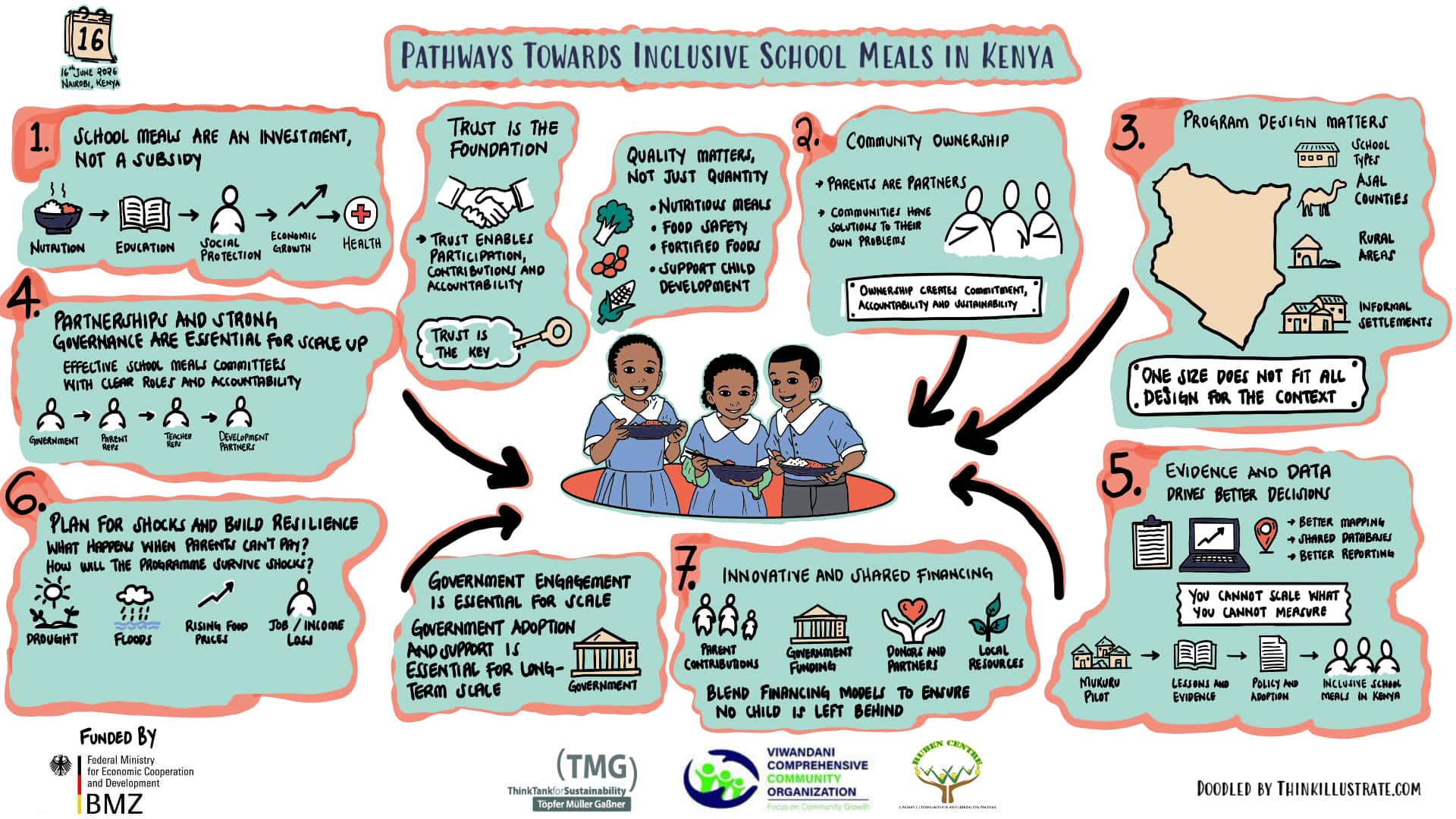
Advancing Inclusive and Sustainable School Meal Programmes
TMG Research and its partners convened a stakeholder dialogue to launch a policy brief and facilitate dialogue on the design, financing and sustainability of inclusive school meal programmes, drawing on lessons from Mukuru.
Emmanuel Atamba, Cheboi Jerono
- Land Governance Jun 24, 2026
Women don't live in silos. The Rio Convention's Gender Actions Plans should match this reality.
Frederike Klümper, Judith Rosendahl (GIZ), Venge Nyirongo (UN-Women), Dr. Birguy Lamizana (UNCCD), Jes Weigelt
- Food Systems Apr 30, 2026
Building Back Better This Time? Responses to an Unfolding Food Price Crisis
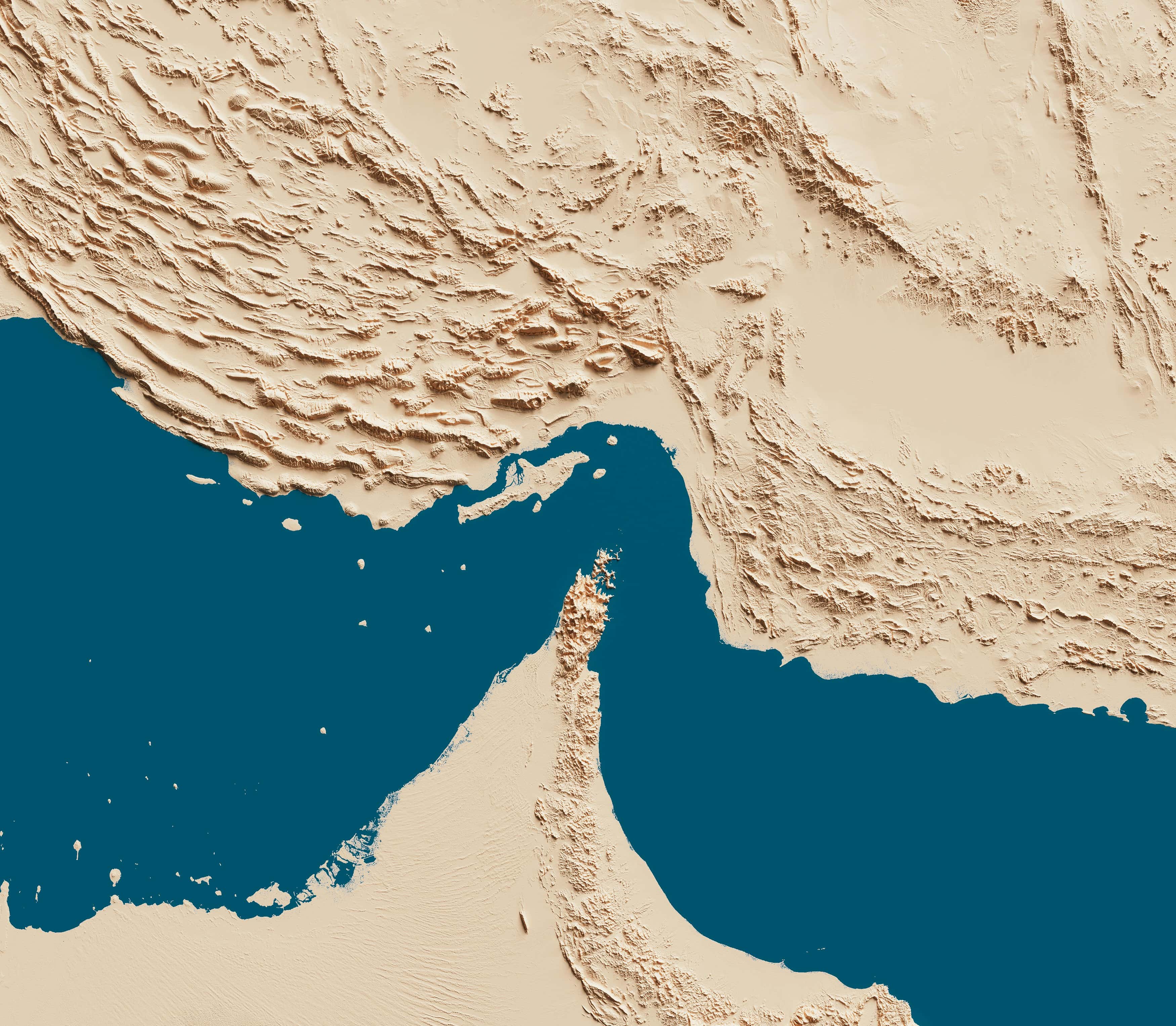
Drawing two conclusions on our global food systems roughly two months after the closure of the Strait of Hormuz
Jes Weigelt, Violet Shivutse, Mino Ramaroson, Alexander Müller [1], TMG Research, Shibuye Community Health Workers, Huairou Commission
Written by Kader Baba